

The Hard Water Problem
Dirty streaks and dull porcelain are the direct result of hard water flowing through your plumbing. As moisture evaporates in the bowl, it leaves behind calcium and magnesium deposits that harden into a stubborn crust.
This textured surface acts like a magnet for waste and microbes. Over time, it transforms into an unsanitary coating that requires intense, exhausting scrubbing to remove.
The Dish Soap Solution
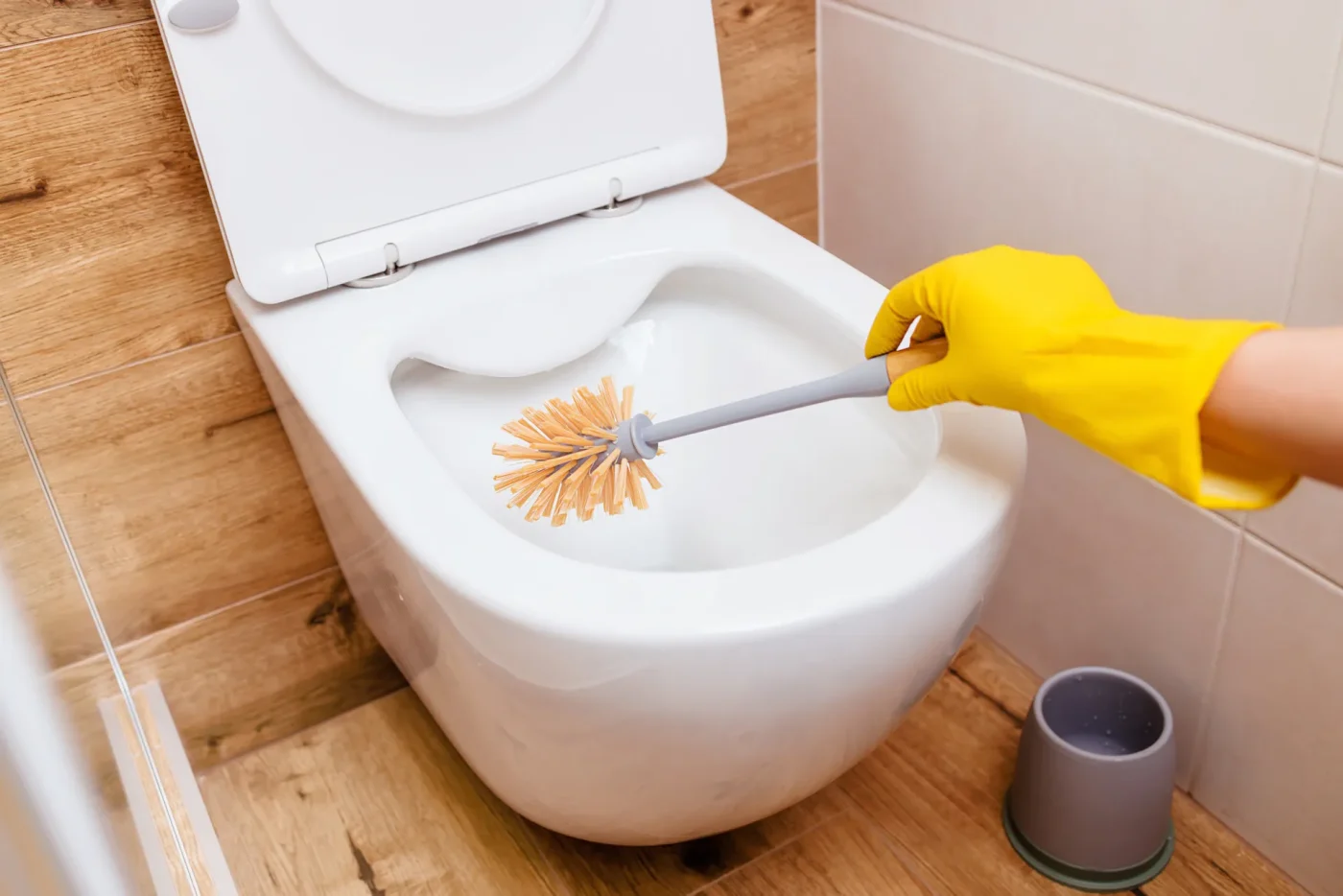
Instead of constantly fighting the aftermath, you can stop the problem at its source. The secret is simple: pour a small amount of standard liquid dish soap directly into the bottom of your toilet brush holder.
Dish soap relies on active surfactants designed to break down grease and grime. Every time you reach for the brush during daily use, you inadvertently apply a thin, slippery protective barrier to the toilet bowl.
This barrier acts as an invisible shield. When you flush, the water easily sweeps away waste, and hard minerals lose their grip on the smooth porcelain glaze.
Effortless Maintenance and Odor Control
Adopting this quick habit delivers immediate benefits. Cleaning happens in the background during routine bathroom use, completely eliminating the need for heavy weekend scrubbing.
It also tackles foul bathroom odors. Rather than festering in dirty, stagnant water, the brush sits in a fresh, scented cleaning solution.
The holder stops acting as a breeding ground for bacteria and mold. It is also highly cost-effective; dish soap costs a fraction of specialized toilet chemicals and will not degrade your plumbing seals.
Alternative Holder Hacks
If you run out of dish soap, other household liquids offer similar results. Liquid fabric softener works exceptionally well, utilizing its antistatic properties to create an ultra-slick surface while leaving a strong laundry-fresh scent.
You can also mix liquid hand soap with a few drops of natural tea tree or eucalyptus essential oil. This combination provides a powerful antibacterial boost alongside a crisp, woodsy aroma.
Even leftover shower gel ends or a splash of multi-surface floor cleaner will do the trick.
Tackling Stubborn Scale
Keep in mind that the soap hack is strictly preventative. It will not dissolve a thick crust of limescale that has already established itself in older toilets.
To defeat hardened scale, rely on mild household acids. Pouring standard white vinegar into the bowl and letting it sit overnight breaks down severe mineral buildup.
For yellow stains lurking under the rim, apply dampened citric acid powder. If heavy deposits remain at the very bottom of the U-bend, simply drop a dishwasher tablet into the water to dissolve the grime.
Combining these targeted deep-cleaning methods with the daily detergent trick guarantees a permanently spotless toilet without the need for harsh, corrosive chemicals.


