
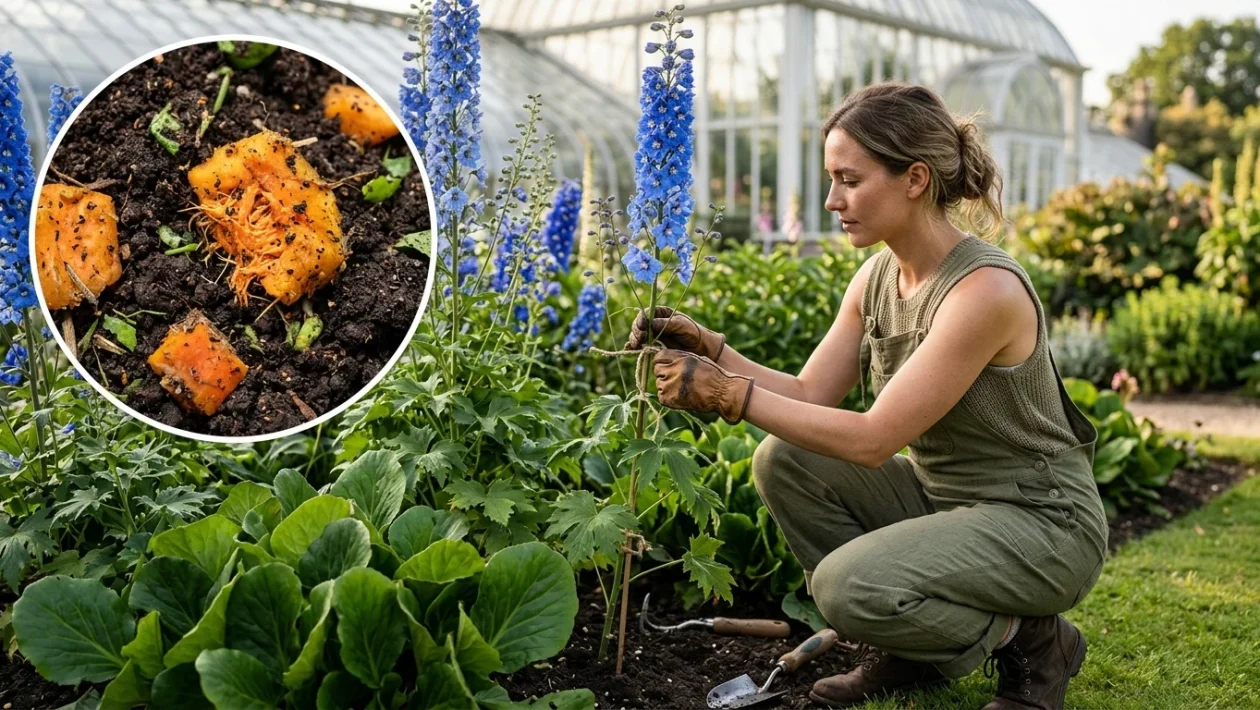
Successfully establishing a new perennial load requires immediate soil preparation, spacing Bergenia 12 to 18 inches apart for ground cover, and staking Delphiniums to support their towering 3- to 6-foot flower spikes. Instead of discarding leftover pumpkins, gardeners are turning these seasonal remnants into rich organic compost to feed these exact heavy-blooming perennials.
Handling a large delivery of live plants demands swift triage. When plants arrive from trusted growers, they often face minor transit stress. Unpacking them immediately, checking the soil moisture, and placing them in a shaded area prevents foliar burn. The transition from nursery pots to permanent garden beds dictates how robust the root systems will become before the first freeze or summer drought.
The key to a thriving perennial border lies in pairing plants with complementary, yet distinct, structural needs. While low-growing varieties provide year-round interest at the border’s edge, towering spikes draw the eye upward, creating a dynamic visual flow. The challenge lies in managing their vastly different soil and sunlight requirements without compromising the health of either species.
Managing Your New Perennial Load
Processing a fresh haul of perennials requires a systematic approach. Leaving plants in their nursery containers for extended periods leads to root-bound conditions and nutrient depletion. First, inspect the foliage for signs of pests or fungal issues. Next, hydrate the root balls thoroughly. Plunging the pots into a bucket of water until the bubbling stops ensures the internal soil matrix is completely saturated.
Applying a high-quality organic starter plant food, such as Espoma Organic fertilizers, directly to the planting hole encourages rapid root expansion. Amending the native soil ensures the delicate feeder roots can penetrate the surrounding earth rather than circling back into their original potting medium.
A common mistake in practice is ignoring the root ball structure before planting; teasing apart tightly bound roots is non-negotiable for establishing healthy, long-lasting perennials.
Establishing these foundational plants early gives them a significant advantage. The faster they acclimate to the native soil, the more energy they can divert toward surviving temperature fluctuations and producing robust blooms.
Planting Bergenia and Delphiniums
Planting Bergenia and Delphiniums in the same garden requires strategic placement. Bergenia, often called “Pigsqueak” due to the sound its thick leaves make when rubbed together, thrives as a resilient, evergreen ground cover. It excels in partial shade and tolerates poor soil conditions. Conversely, Delphiniums are heavy feeders that demand full sun, rich, well-draining soil, and protection from high winds.
Step-by-Step Installation
Proper installation dictates the lifespan of these perennials. Follow these structural steps to ensure both species thrive in their respective microclimates:
- Site Selection: Reserve the sunniest, most sheltered locations for Delphiniums. Allocate the partially shaded, front-border edges for Bergenia.
- Soil Preparation: Dig a hole twice as wide as the nursery container but exactly the same depth. Never bury the crown of the plant, as this invites rot.
- Root Stimulation: Gently massage the bottom half of the root ball to loosen tangled roots before placing the plant in the hole.
- Staking Delphiniums: Insert a bamboo stake or structural support directly behind the Delphinium at the time of planting to avoid piercing the root system later in the season.
- Watering and Mulching: Water deeply to eliminate air pockets, then apply a 2-inch layer of organic mulch around the base, keeping it pulled away from the immediate crown.
Understanding the fundamental differences between these two garden staples prevents nutrient competition and structural failure.
| Plant Species | Optimal Growing Conditions |
|---|---|
| Bergenia (Pigsqueak) | Partial shade to full sun; highly tolerant of poor, rocky soils. Requires 12-18 inches of spacing. |
| Delphiniums | Full sun; requires highly fertile, well-draining, slightly alkaline soil. Demands heavy staking for 3-6 ft spikes. |
Myth-Busting Perennial Care
A widespread misconception in garden design is that all perennials benefit from heavily amended, ultra-rich soil. Scientific reality proves otherwise. While heavy feeders like Delphiniums require constant nutrient replenishment to sustain their massive flower spikes, planting Bergenia in overly rich compost often leads to floppy, weak foliage and reduced blooming.
Matching the plant to its evolutionary soil preference guarantees better disease resistance. Treating every plant with a universal soil amendment strategy actually hinders the hardiness of rugged species. Tailoring your approach to individual plant requirements yields a far more resilient landscape.
Using Up the Last of the Pumpkins
Once the autumn displays fade, gardeners are left with softening, decorative gourds. Throwing them in the municipal trash wastes a massive source of free organic matter. Pumpkins are approximately 90% water and break down rapidly, making them an exceptional addition to the garden ecosystem.
- Direct Composting: Smash the remaining pumpkins into small chunks to accelerate decomposition. Bury these pieces directly in fallow garden beds to feed earthworms and beneficial microbes over the winter.
- Seed Harvesting: Remove and rinse the seeds before composting the flesh to prevent unwanted volunteer vines from sprouting next spring. Roasted seeds also make an excellent snack.
- Wildlife Feeding: Cut unpainted, untreated pumpkins into halves and leave them at the woodland edge. Deer, squirrels, and birds rely on this vital hydration and calorie source during seasonal transitions.
Recycling these heavy gourds directly into your garden beds creates a closed-loop system, providing the exact organic matter that heavy-feeding perennials will require in the coming months.
💡 Transforming your yard takes strategy and timing. By treating new nursery arrivals with care and placing plants exactly where their specific soil needs are met, you guarantee a more robust display year after year.
🔍 Don’t let valuable organic matter go to waste. Smashing those seasonal decorations directly into the compost bin feeds the micro-organisms that keep your soil thriving for incoming flowers.
📌 Share your experiences with us! Have you mastered the art of staking tall spikes, or do you have a unique method for breaking down seasonal gourds? Leave your thoughts in the comments below and join the conversation.


